




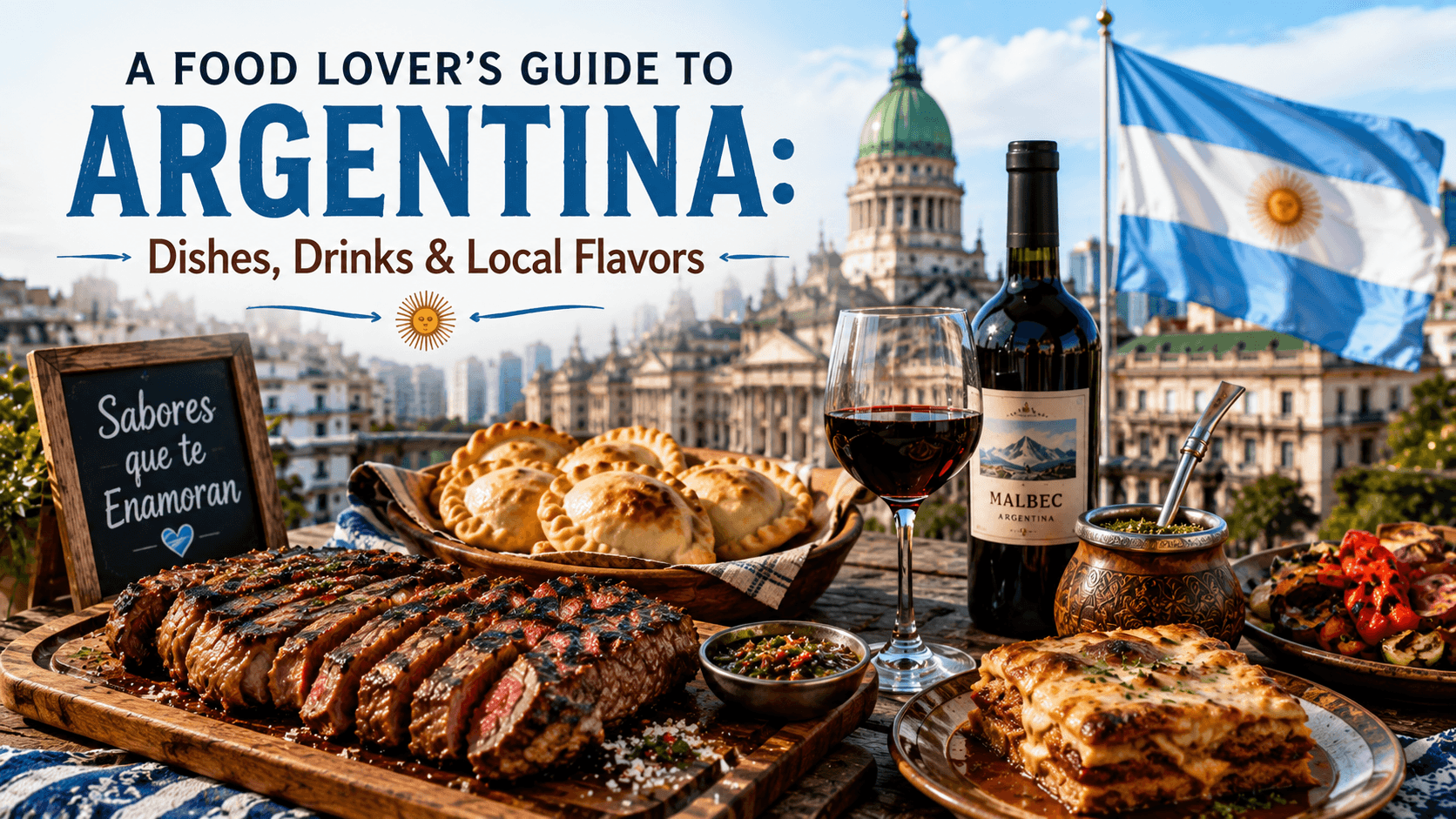
 Brunches in argentina
An Adventure in Argentine Flavors
Argentina serves up a remarkably singular food culture, shaped heavily by waves of Spanish and Italian settlers. Most visitors arrive dreaming solely of thick cuts of beef. They quickly find a sprawling world of regional plates and deep-seated drinking customs.
Plunging into South American dining habits requires an appreciation for heritage. Relying on A Food Lover’s Guide to Argentina: Dishes, Drinks & Local Flavors is the easiest way to start this path.
This detailed handbook gives direct pointers on decoding local steakhouses, understanding wine regions, and fitting in with local customs. You will learn what to buy, how to ask for it, and where the real flavors hide.
Navigating the Traditional Argentine Asado
The true soul of dining here centers on the asado, a leisurely barbecue gathering that stretches over entire afternoons. Forget speedy grilling over propane. True masters burn hard wood down to glowing embers to bake a rich smoke right into the beef.
To help you navigate this social feast, A Food Lover’s Guide to Argentina: Dishes, Drinks & Local Flavors maps out the precise order of meats served by the host. The feast kicks off with achuras, which are offal starters cooked over high heat and finished with fresh lemon squeezes.
Next come the heavy cuts like tira de asado, which are short ribs, and vacío, a thin flank steak. Locals prefer their beef cooked jugoso, meaning medium-rare. This keeps the grass-fed meat tender and dripping with juice.
Street Food Icons: Empanadas and Choripán
Street food offers a fast, heavy-hitting option when you want to skip the three-hour sit-down dinner. The legendary choripán reigns supreme near soccer stadiums. It features a spiced sausage split wide open and pressed into crusty French-style bread.
This sandwich gets its kick from chimichurri, a sharp green sauce built from parsley, garlic, vinegar, and dried chili. Another constant favorite is the empanada. These are baked or fried dough pockets stuffed with spiced fillings.
While tracking down these snacks, A Food Lover’s Guide to Argentina: Dishes, Drinks & Local Flavors explains how the folding style, or repulgue, shows what is inside. A tight rope-like braid usually means beef. A series of flat pinches indicates ham and cheese filling.
Various provinces cook their own versions, each with local variations listed below.
| Style | Main Ingredients | Cooking Style |
|---|---|---|
| Salteña | Diced potatoes, hard-boiled eggs, green onions | Baked in clay ovens |
| Tucumana | Knife-cut flank steak, lemon, cumin | Baked or fried until crisp |
| Mendocina | Black olives, beef, onions | Oven-baked in the vineyard regions |
Beyond Beef: Italian Heritage and Regional Favorites
Heavy Italian migration in the late nineteenth century forever shifted how people eat here. Today, red sauce and melted cheese are just as vital to local identity as grilled steak. Sundays mean gathered families and overflowing plates of pasta.
A Food Lover’s Guide to Argentina: Dishes, Drinks & Local Flavors outlines how European customs shaped modern eating. Local pizza features a thick, spongy base loaded with massive amounts of mozzarella. The fugazzeta, stuffed with cheese and buried in sweet onions, traces its roots to Genoa.
Many households serve soft potato gnocchi with a slow-simmered meat sauce. This custom led to Gnocchi Day on the twenty-ninth of every month. Diners slide cash under their plates to invite wealth.
Beverage Culture: From Malbec to Mate Rituals
Understanding local tastes means looking past the dinner plate to the glass. Mendoza’s high mountain vineyards yield thick, dark Malbec wines filled with plum notes. These bottles pair naturally with salty, charred meats.
Sharing mate is a social ceremony. Consulting A Food Lover’s Guide to Argentina: Dishes, Drinks & Local Flavors prepares you for the strict manners of this drink. The herbal brew comes from dried leaves steeped in hot water.
Sharing this beverage involves a specific set of rules to avoid offending the person serving.
- The host, known as the cebador, pours the hot water and drinks the first bitter cup to check the temperature.
- Never use the metal straw, called the bombilla, to stir the leaves because this blocks the filter.
- Saying thank you to the host means you are done and do not want another turn.
Sweet Indulgences: Dulce de Leche and Beyond
For dessert lovers, A Food Lover’s Guide to Argentina: Dishes, Drinks & Local Flavors demonstrates how sweets center around dulce de leche. This thick, slow-boiled milk caramel goes into almost everything. You will find it in morning pastries and midnight snacks alike.
The alfajor remains the absolute favorite, consisting of two crumbly cookies held together by a thick layer of caramel. Bakers roll them in shredded coconut or dunk them in dark chocolate.
- Medialunas are small, sweet croissants glazed with syrup, served next to morning coffee.
- Flan mixto features a baked egg custard paired with large spoonfuls of whipped cream and dulce de leche.
- Vigilante pairs a thick slice of firm cheese with sweet quince paste or sweet potato jelly.
Local Customs for the Dinner Table
Adjusting to the local clock is necessary if you want to eat like a local. Reading A Food Lover’s Guide to Argentina: Dishes, Drinks & Local Flavors helps you prepare for these late hours. Sit-down restaurants rarely open their doors for dinner before nine at night.
Most tables only fill up around ten or eleven. Tipping is simple, with a ten percent tip expected at sit-down spots. Remember that you can now add tips to credit card bills or digital payments under updated local laws.
Keeping some cash in your pocket remains a helpful backup. Many historic restaurants add a cubierto to the bill. This is a small cover fee per person for the bread basket and table setup.
Final Thoughts
Eating your way through this country means stepping outside your usual habits. Try the unfamiliar cuts of meat and different flavor balances. From the smoky charcoal of an asado to the sticky sweet finish of an alfajor, the country offers an incredible dining memory.
Using A Food Lover’s Guide to Argentina: Dishes, Drinks & Local Flavors guarantees that every meal turns into a cultural event rather than just a quick bite.


Comments are closed